Morton’s Neuroma: Causes, Symptoms and Treatment for Pain in the Ball of the Foot
Pain in the ball of the foot can make everyday activities such as walking, exercising, or even wearing normal shoes uncomfortable. One common cause of this type of pain is Morton’s neuroma, a condition affecting the nerves between the toes.
Although the name may sound alarming, Morton’s neuroma is a treatable condition, and many patients experience significant relief with appropriate care. Understanding the symptoms, causes, and treatment options can help you seek help early and prevent the condition from worsening.
What Is Morton’s Neuroma?
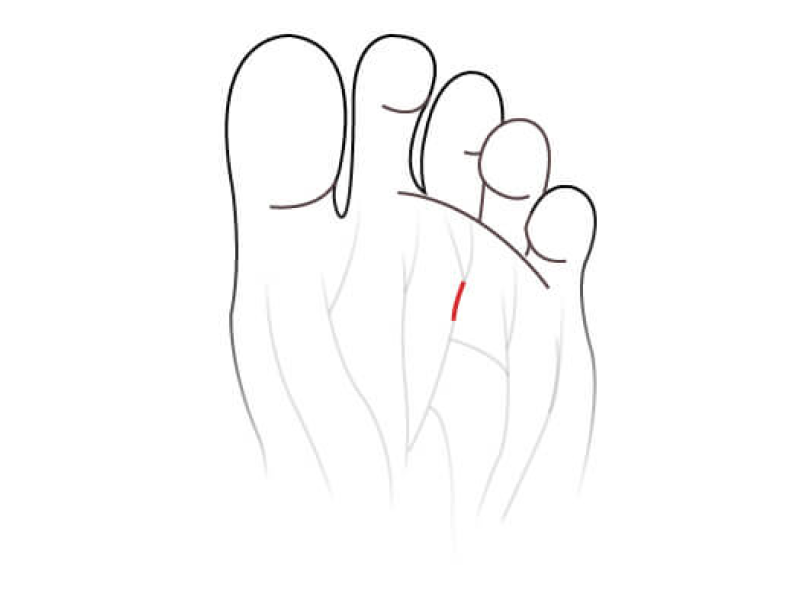
Morton’s neuroma occurs when a nerve between the toes becomes irritated, compressed, or damaged, leading to pain and inflammation in the ball of the foot.
The condition most commonly affects the nerve located between the third and fourth toes, though it can occasionally occur between the second and third toes.
Over time, repeated irritation can cause the nerve tissue to thicken, which increases pressure and leads to painful symptoms.
Common Symptoms of Morton’s Neuroma
The symptoms of Morton’s neuroma can vary in severity, but many patients describe a distinct and uncomfortable sensation in the forefoot.
Typical symptoms include:
- Sharp or radiating pain in the ball of the foot
- A feeling similar to walking on a small pebble or stone inside the shoe
- Tingling or numbness in the toes
- Burning sensations in the forefoot
Symptoms may start mildly but can gradually worsen over time, particularly if the nerve continues to be irritated by footwear or physical activity.
What Causes Morton’s Neuroma?
Morton’s neuroma usually develops as a result of repeated pressure or irritation on the nerve between the toes.
Several factors may contribute to the condition, including:
1. High Levels of Physical Activity
Activities that place repeated pressure on the forefoot—such as running, walking long distances, or high-impact exercise—can irritate the nerve.
2. Tight or High-Heeled Footwear
Shoes that are narrow at the toe box, high-heeled, or poorly fitting can compress the toes and increase pressure on the nerves.
3. Other Foot Conditions
Certain structural foot problems can increase the risk of Morton’s neuroma, including:
These conditions may alter foot mechanics and place additional stress on the nerves in the forefoot.
Non-Surgical Treatment Options
In many cases, Morton’s neuroma can be successfully managed with conservative treatment methods.
Footwear Adjustments
Switching to well-fitting shoes with a wider toe box can reduce pressure on the affected nerve and help relieve symptoms.
Weight Management
Maintaining a healthy weight reduces stress on the feet and may help decrease discomfort.
Pain Relief Medication
Over-the-counter anti-inflammatory medications can sometimes help reduce pain and inflammation.
Orthotic Insoles
Custom or supportive orthotics can redistribute pressure across the foot and reduce stress on the nerve.
Injection Therapy
In some cases, a specialist may recommend steroid or alcohol injections combined with local anaesthetic to reduce inflammation and pain.
Injection therapy can successfully relieve symptoms in around half of patients.
When Is Surgery Recommended?
Surgery is typically considered only when conservative treatments have not provided sufficient relief.
The aim of surgery is to remove the damaged section of the nerve that is causing persistent pain. Find out more here.
Morton’s Neuroma Surgery (Interdigital Neuroma Excision)
The most common surgical procedure is neuroma excision, where the affected portion of the nerve is removed.
How the Procedure Works
- The surgery is usually performed as a day-case procedure.
- It may be carried out under local anaesthesia, sedation, or general anaesthesia.
- A small incision is made on the top of the foot, directly above the neuroma.
- The surgeon carefully removes the damaged nerve tissue.
The procedure typically takes a short time and patients are able to go home the same day.

Recovery After Morton’s Neuroma Surgery
Recovery is generally straightforward, but proper rest is important to allow the foot to heal.
Typical recovery timeline:
- First 2 weeks: Rest at home and limit activity
- 2 weeks: Many patients can return to non-manual work
- 6 weeks: Gradual return to higher-impact activities such as sports or exercise
Your surgeon will provide detailed guidance on wound care, footwear, and rehabilitation.
When to See a Foot Specialist
If you experience persistent pain in the ball of your foot, numbness in your toes, or discomfort when walking, it is important to seek professional advice.
Early assessment can help identify the cause of your symptoms and allow treatment to begin before the condition progresses.
If you have any other questions or would like to reserve an appointment at our practice, don’t hesitate to get in touch with our team:
- 0207 820 8007
- admin@londonfootandanklesurgery.co.uk
- Clinic location: 17 Harley Street, London
- Consultations: Self-pay and insured patients
- No GP referral required (including Bupa)
- More information: https://www.londonfootandanklesurgery.co.uk/foot-conditions/mortons-neuroma/