Plantar Plate Repair Surgery
Plantar Plate Repair
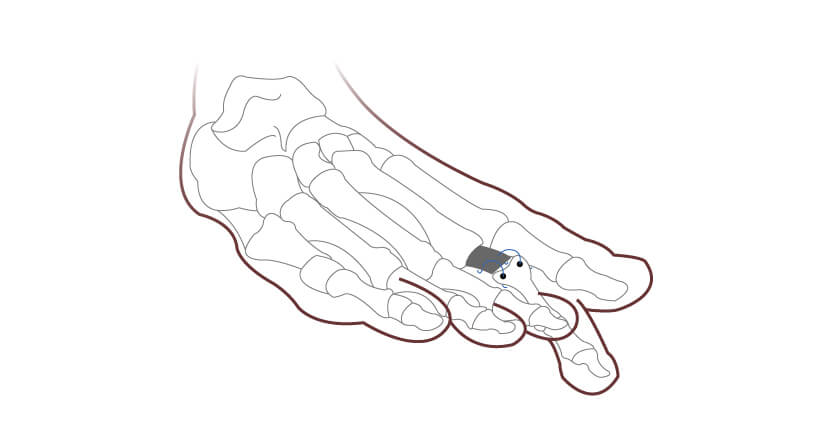
Plantar plate repair may be suggested following an injury to the plantar plates, which are thick ligaments that are located beneath the balls of your feet. This can result in pain and hammertoes, most commonly to the second toe. The procedure involves shortening an elongated ligament or repairing a tear.Your surgeon will make an incision over the affected toe. The toe is flexed to allow access to the plantar plate, which is then detached. Holes are created in the proximal phalanx and sutured into the realigned position.Over the first two weeks you should rest at home. At two weeks postoperative you can return to work. At three months postoperative you can return to high impact activities, such as the gym or running.Plantar Plate Repair: Frequently Asked Questions
The plantar plate is a ligament under the ball of your foot. When it tears, your toe feels unstable and painful. Surgery stitches it back together or rebuilds it if it’s too damaged.
You’ll feel sharp pain in the ball of your foot, swelling, difficulty walking, and your toe might feel like it’s slipping. An MRI confirms it, and your surgeon will examine you to be sure.
Small tears sometimes heal with rest, meds, special shoes, and physio. Larger tears or ones that keep bothering you usually need surgery to fix properly.
Plantar plate repair fixes the ligament under your toe. Hammertoe surgery fixes the toe joint itself. Sometimes you need both done at the same time.
Initial recovery is 3-4 weeks, careful weight-bearing for 6-8 weeks, and full recovery takes 2-3 months. You’ll gradually return to activities during this time.
Partial weight-bearing starts at 2-3 weeks. Full weight-bearing comes over 6-8 weeks. Normal walking is back at 8-12 weeks.
Risks are relatively low and include infection, the tear coming back, ongoing pain, or stiffness. Serious issues are uncommon, though some symptoms might persist.