Why Your Heel Pain Is Not Improving – And What To Do Next
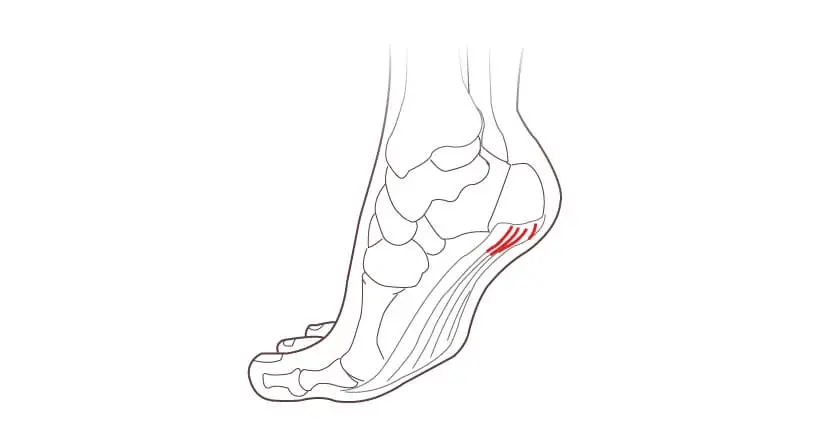
Heel pain is one of the most common reasons people seek help from a foot and ankle specialist. While many cases are labelled as plantar fasciitis, persistent heel pain is often more complex than a single diagnosis.
In this article, we explain why some cases of heel pain fail to improve, what may actually be driving your symptoms, and when it may be time to seek a specialist assessment.
Heel Pain Is Common — But Often Misunderstood
Heel pain can affect walking, exercise, work, and day-to-day quality of life.
In many cases, it is labelled as plantar fasciitis and treated with:
- stretching
- insoles
- rest
- anti-inflammatory measures
For some people, that is enough.
For many others, the pain settles slightly, then plateaus, or improves briefly before returning.
If that sounds familiar, the issue is rarely that you have not done enough.
More often, it is that the underlying cause of the heel pain has not been fully understood.
The Real Problem Is Not Always “Plantar Fasciitis”
“Plantar fasciitis” is often used as a catch-all term for heel pain.
In reality, it describes a specific tissue response. It does not explain why the tissue has become overloaded, or why it is failing to recover.
A more useful way to think about persistent heel pain is this:
your tissue capacity has been exceeded.
Something has changed, sometimes obviously, sometimes subtly:
- your step count increased
- you returned to running or exercise
- you spent longer standing at work
- your footwear changed
- calf muscles gradually tightened over time
The plantar fascia itself is not weak or fragile.
It is simply being asked to tolerate more load than it can currently handle.
If that underlying imbalance is not addressed, treatment often stalls.
Why Standard Heel Pain Treatment Often Plateaus
Most early treatment for heel pain focuses on:
- stretching
- rest or activity modification
- insoles or footwear changes
These are appropriate first steps.
However, they mainly reduce irritation — they do not fully restore tissue capacity.
This is where many patients become stuck.
The pain improves slightly, but the tissue still cannot tolerate normal daily loading. As soon as activity increases again, symptoms return.
This creates a familiar cycle:
temporary improvement → return to activity → flare-up → repeat
At that point, repeating the same treatment strategy rarely changes the outcome.
When Heel Pain Is Not Following The Expected Pattern
Most straightforward cases of plantar heel pain improve gradually over several months.
If your heel pain is:
- still present after several months
- not responding to consistent self-care
- becoming more constant or limiting
- changing in character
then it is sensible to pause and reassess.
This is not about escalating treatment unnecessarily.
It is about ensuring the diagnosis — and the treatment plan — are actually correct.
Not All Heel Pain Has The Same Cause
Even when symptoms fall under the umbrella of plantar heel pain, the underlying drivers can differ significantly.
In clinic, persistent heel pain often involves a combination of factors such as:
- reduced ankle movement caused by calf tightness
- altered loading patterns during walking or standing
- foot mechanics increasing strain through the arch
- ongoing local tissue sensitivity
- alternative diagnoses such as nerve irritation or heel fat pad pain
If these factors are not identified, treatment often remains too general to be truly effective.
Why A Specialist Heel Pain Assessment Matters
When heel pain does not settle, most patients are not simply looking for another treatment.
They are trying to answer three important questions:
- What is actually causing this?
- Why is it not improving?
- What should I do next?
Answering those questions requires a more detailed and structured assessment.
This may include:
- a focused clinical examination
- review of activity levels and loading patterns
- calf flexibility and strength assessment
- footwear and insole review
- imaging, where it will genuinely change management
The aim is not simply to confirm a diagnosis like plantar fasciitis.
The goal is to understand the specific mechanism driving your heel pain.

Book An Appointment With A Heel Pain Specialist
If your heel pain has persisted despite stretching, insoles, or rest, a specialist assessment may help identify the underlying cause and create a more targeted treatment plan.
Book An Appointment
What Effective Heel Pain Treatment Looks Like
Once the key drivers are identified, treatment becomes more targeted and effective.
This often still includes conservative treatment, but applied differently:
- progressive calf strengthening to rebuild load tolerance
- structured load management rather than complete rest
- footwear and support adjustments to reduce strain
- gradual return to activity instead of repeated stop-start cycles
In some cases, additional treatments such as:
- shockwave therapy
- guided injections
may be appropriate as part of a broader management plan.
Surgery for heel pain is rarely required and is only considered in a small minority of persistent, carefully assessed cases.
In most people, the issue is not that they need “more treatment”.
It is that the problem has not yet been clearly defined.

When To Seek A Specialist Opinion For Heel Pain
It is sensible to seek further assessment if:
- your symptoms have not improved after several months
- you are unsure whether the diagnosis is correct
- treatments have only provided short-term relief
- you are being advised to consider invasive treatment options
At that point, the value is not another generic treatment.
It is obtaining a clear diagnosis and a structured recovery plan.
A Different Way To Approach Persistent Heel Pain
Persistent heel pain is rarely about doing more.
It is about doing the right things, for the right reasons, in the right order.
That starts with understanding what is actually driving your symptoms.
If You Want Clarity On Your Heel Pain
If your heel pain is not improving, or you are unsure what to do next, a specialist assessment can help define:
- what is actually going on
- why your symptoms have not settled
- what the most appropriate next step is
Whether your symptoms are related to plantar fasciitis, overload, calf tightness, altered foot mechanics, or another underlying issue, identifying the true cause is often the key to long-term improvement.
Book A Specialist Heel Pain Assessment
If you would like a specialist assessment of your heel pain, you can arrange an appointment with our foot and ankle team here:
https://www.londonfootandanklesrgery.co.uk/book-an-appointment/

Article written by Mr Ewan Kannegieter
Foot & Ankle Specialist at London Foot and Ankle Surgery