Ankle Arthritis Surgery
Surgery for Ankle Arthritis
If ankle arthritis does not respond to conservative measures then surgery may become the recommended course of treatment.Ankle Arthritis Surgery
Your surgeon will recommend the most appropriate type of surgery based on your particular case. These might include: An ankle arthroscopy may be advised to treat ankle arthritis that is caused by debris from torn cartilage or from a bone chip. There may bone spurs at the front of the ankle that cause pain or restriction in movement. The arthroscopy procedure uses a fiber-optic viewing camera to allow for minimally invasive surgery, this in turn reduces recovery. With the use of the camera, 2-3mm small incisions will be made followed by repair of any cartilage damage, removal of bone spurs and fixation of ligaments. The minimally invasive procedure allows early mobilisation in most cases. Weight-bearing is allowed immediately in a protective shoe or boot. Return to full activity can be anything from 4 to 8 weeks depending on the level of surgery and damage repaired. It may be a few months before you may return to sporting activities. Crutches might be used initially to help mobilise in the first couple of weeks.
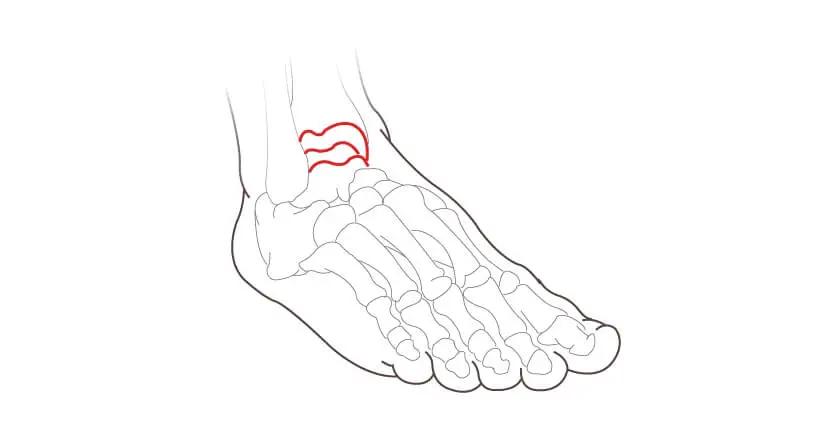
In more severe cases an ankle fusion may be suggested to assist with ankle arthritis. This is where two or more of the bones in your ankle are fused into one piece with the use of a screw fixation. Where possible, minimal invasive surgery will be carried out, small 2-3mm incisions would be made and the procedure carried out with the assistance of a camera. Post-operative recovery after an ankle fusion procedure requires a below knee cast and no wait to be put onto the ankle for approximately eight weeks. Careful mobilisation is required over the next couple of months and it might be 6 to 12 months before any significant physical activity, such as sports, is allowed.
Ankle Arthritis: Frequently Asked Questions
Arthritis happens when the cartilage in your ankle wears down. For early arthritis, we can scope in (keyhole surgery) to clean things up. For bad arthritis, we fuse the bones together so they don’t move and hurt anymore.
When the pain is really affecting your day-to-day life and you’ve tried other things like injections and physio for a few months without enough improvement.
Scoping keeps your ankle moving but works best for early arthritis. Fusion stops the ankle from moving, which gets rid of the pain permanently—but it’s more of a big decision.
Physio, keeping your weight down, special exercises, anti-inflammatory meds, and steroid injections often do the job. Surgery is really a last resort.
Arthroscopy is pretty quick—2-4 weeks. Fusion takes longer: you’ll be careful with weight for 6-8 weeks, then gradually do more for another 2-3 months.
Yes. After it’s healed, you’ll walk normally. You might notice your gait is slightly different, but most people get back to normal walking by 3-4 months.
Risks are low but include infection, blood clots, and sometimes the hardware causing problems. Serious issues are uncommon when it’s done properly.