Stages of a Verruca Dying: Signs, Healing Process & What to Expect
Introduction
Verrucae (plantar warts) can be stubborn, uncomfortable, and slow to resolve. Whether you’re using home remedies or considering professional care, understanding the stages of verruca dying helps you track progress and avoid unnecessary concern during treatment.
In this guide, we explain the verruca healing stages, what signs to look for, and when to seek expert treatment.
What is a Verruca?
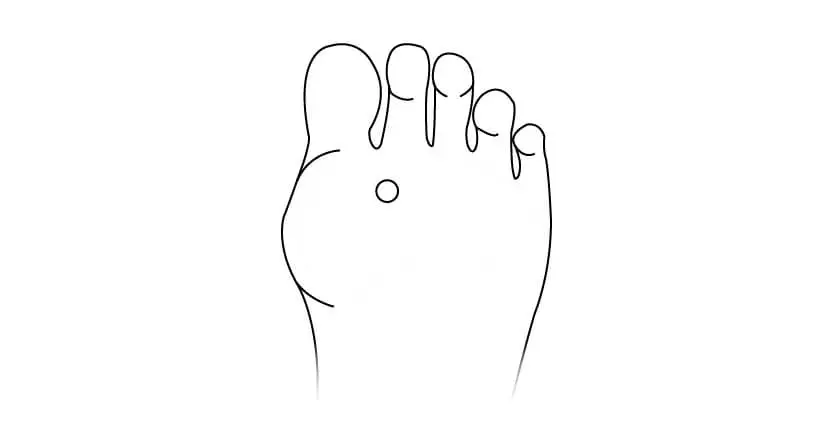
A verruca is a type of plantar wart caused by the human papillomavirus (HPV). It typically appears on the sole of the foot and may feel like walking on a sharp object due to pressure from standing or walking.
Verrucae are contagious and commonly spread in environments such as:
- Swimming pools
- Changing rooms
- Communal showers
They develop when the virus enters the skin on contact.
How Do Verrucas Heal?
Verrucae heal when the body’s immune system successfully fights off the virus, or when treatment destroys the infected tissue.
The plantar wart healing process varies depending on:
- Your immune response
- The size and depth of the verruca
- The type of treatment used
Without treatment, verrucae may last several years
Stages of a Verruca Dying
Stage 1: Initial Treatment
- Irritation or sensitivity begins
- Skin may appear slightly inflamed
- Treatment (e.g. salicylic acid or cryotherapy) starts breaking down tissue
Stage 2: Darkening or Black Dots Appear
- Small black dots become visible (clotted blood vessels)
- Verruca may darken in colour
- This is a key sign the tissue is responding to treatment
Stage 3: Shrinking and Drying
- Verruca reduces in size
- Skin becomes dry, rough, or flaky
- Pain may temporarily increase as deeper tissue is affected
Stage 4: Peeling or Falling Off
- Dead tissue begins to peel away
- In some cases, the verruca may partially or fully detach
- Underneath, new skin starts forming
Stage 5: Skin Healing and Recovery
- Healthy skin replaces the affected area
- Natural skin lines reappear
- No discomfort when walking or applying pressure
Signs Your Verruca is Dying
Common signs verruca is going away include:
- Darkening or black dots after treatment
- Reduction in size
- Drying or peeling skin
- Less pain over time
- Return of normal skin lines
It’s important to note that healing doesn’t always look neat—temporary worsening can still indicate progress.
When is a Verruca Completely Gone?
A verruca is fully resolved when:
- Skin lines are fully restored
- The area is smooth and pain-free
If any roughness, dots, or discomfort remain, the virus may still be present.
Professional Verruca Treatments at London Foot & Ankle Surgery
For persistent or painful cases, professional treatment is often the most effective solution.
Options include:
- Cryotherapy (freezing)
- Surgical removal (excision or electrosurgery)
Surgical treatment offers:
- Immediate removal
- High success rates (up to 85%)
- Rapid pain relief
- Reduced risk of spread
When to See a Specialist
You should seek expert care if:
- The verruca is painful or growing
- It hasn’t improved after several weeks of treatment
- You have multiple or spreading verrucae
- It keeps recurring
Early treatment can prevent prolonged discomfort and further spread.
Mistakes to Avoid During Healing
To improve outcomes and avoid delays:
- ❌ Picking or scratching the verruca
- ❌ Stopping treatment too early
- ❌ Walking barefoot in communal areas
- ❌ Ignoring worsening symptoms
Consistency is key to successful treatment.
How Long Does It Take for a Verruca to Die?
This depends on the treatment method and individual response:
- Home treatments: weeks to months
- Professional treatments: often faster resolution
- Untreated verrucae: months to years
Get Expert Care at London Foot & Ankle Surgery
If you’re dealing with a persistent verruca, professional treatment can provide faster, more reliable results.
Understanding the stages of verruca dying is helpful—but the ultimate goal is complete, lasting removal.
Book a consultation today and take the first step towards pain-free walking.

FAQs
- Does a black verruca mean it’s dying?
Black dots usually indicate damaged blood vessels with either pressure or treatment progress. - Can a verruca fall out on its own?
Yes, particularly in later stages, but this doesn’t always mean the virus is fully gone. - Is pain a sign of healing or worsening?
It can be both. Mild or temporary pain often occurs as treatment works. - Where can I get verruca treatment in London?
Specialist clinics like London Foot & Ankle Surgery offer advanced treatment options tailored to your condition.